Nicotine Pouches Side Effects: What Users Need to Know in 2026
Nicotine pouches have become increasingly popular across Europe as a smokeless, tobacco-free alternative for nicotine consumption. At Pouchland, we believe informed consumers make better decisions, which is why understanding potential side effects is crucial before trying nicotine pouches. This comprehensive guide examines the physiological responses, common reactions, and individual variations users may experience.
This product contains nicotine. Nicotine is an addictive substance.
Nicotine pouches are small, white pouches containing nicotine, flavorings, and plant-based fibers. Unlike traditional snus, they contain no tobacco leaf, making them a distinct category of oral nicotine products. When placed under the upper lip, nicotine is absorbed through the oral mucosa directly into the bloodstream, bypassing the digestive system and lungs entirely.
Understanding How Nicotine Pouches Work in the Body
Before examining specific side effects, it's important to understand the mechanism of action. Nicotine pouches deliver nicotine through oral absorption, which creates a different absorption profile compared to other nicotine delivery methods. The nicotine enters the bloodstream through the mucous membranes in the mouth, typically reaching peak blood levels within 30-60 minutes of placement.
Nicotine is a stimulant alkaloid that affects the central nervous system by binding to nicotinic acetylcholine receptors. This interaction triggers the release of various neurotransmitters, including dopamine, norepinephrine, and serotonin. These neurochemical changes produce the effects users seek, but also account for many of the side effects experienced.
The strength of nicotine pouches varies considerably, with products at Pouchland ranging from light options (3-6 mg per pouch) to extreme strengths exceeding 50 mg per pouch. This variation significantly impacts the likelihood and intensity of side effects.
Common Side Effects of Nicotine Pouches
Most users of nicotine pouches experience at least some mild side effects, particularly when first starting or when using strengths higher than their tolerance level. These effects are generally temporary and diminish as the body adapts to nicotine exposure.
Oral and Gum-Related Effects
The most frequently reported side effects involve the area of direct contact between the pouch and oral tissues:
Gum irritation is the most common side effect, affecting an estimated 40-60% of new users. This manifests as a tingling, burning, or uncomfortable sensation where the pouch contacts the gum tissue. The irritation typically occurs because nicotine and certain flavoring compounds can cause localized vasodilation and mild inflammatory responses. Users shopping at Pouchland often find that starting with lower-strength options and gradually building tolerance reduces this effect.
Increased salivation occurs in approximately 30-50% of users, particularly during the first few weeks of use. The presence of a foreign object in the mouth naturally stimulates saliva production, and nicotine itself can enhance this response. While not harmful, excessive salivation can be uncomfortable and may lead users to swallow more frequently.
Mouth sores or lesions develop in a smaller percentage of users (5-15%) who use pouches frequently or keep them in the same spot repeatedly. These typically appear as small ulcerations or areas of tissue damage at the contact site. Rotating the placement location and limiting duration of use can help prevent this issue.
Altered taste perception is reported by some users, particularly with strongly flavored varieties. The combination of nicotine and flavoring compounds can temporarily affect taste receptors, making foods and beverages taste different than usual.
Digestive System Effects
While nicotine pouches bypass the digestive system initially, swallowing nicotine-laden saliva introduces nicotine to the gastrointestinal tract:
Nausea affects 20-35% of new users and those using higher-strength pouches. Nicotine stimulates the chemoreceptor trigger zone in the brain and can cause gastric irritation when swallowed in saliva. This effect is dose-dependent and more common with extra strong nicotine pouches. Users often report that keeping the pouch in place without excessive movement and avoiding swallowing saliva reduces nausea.
Hiccups occur in approximately 15-25% of users, likely due to diaphragm irritation from swallowed nicotine or the act of placing and adjusting the pouch. This side effect is typically brief and resolves on its own.
Heartburn or acid reflux can develop because nicotine relaxes the lower esophageal sphincter, allowing stomach acid to flow back into the esophagus. This affects roughly 10-20% of regular users, particularly those who use pouches on an empty stomach.
Stomach discomfort or cramping may occur if significant amounts of nicotine are swallowed. Nicotine stimulates intestinal motility, which can cause cramping, urgency, or changes in bowel movements. This side effect is more common in users who swallow frequently while using pouches.
Cardiovascular and Systemic Effects
Nicotine is a cardiovascular stimulant, producing effects throughout the body:
Increased heart rate is a near-universal effect of nicotine consumption. Users may notice their heart beating 10-20 beats per minute faster than baseline, particularly within the first 30 minutes after placing a pouch. This effect is temporary and typically returns to baseline as nicotine levels decrease.
Elevated blood pressure occurs because nicotine causes vasoconstriction and releases adrenaline. Blood pressure may increase by 5-10 mmHg for several hours after use. Individuals with pre-existing hypertension should be particularly aware of this effect.
Dizziness or lightheadedness affects 15-30% of users, especially when standing quickly or using stronger pouches than their tolerance level. This results from the cardiovascular effects of nicotine combined with changes in blood flow and oxygenation.
Headaches are reported by 10-25% of users and may result from nicotine's vasoconstrictive effects, changes in blood pressure, or as part of an adjustment period. Some users find that headaches decrease after several days of consistent use.
Neurological and Cognitive Effects
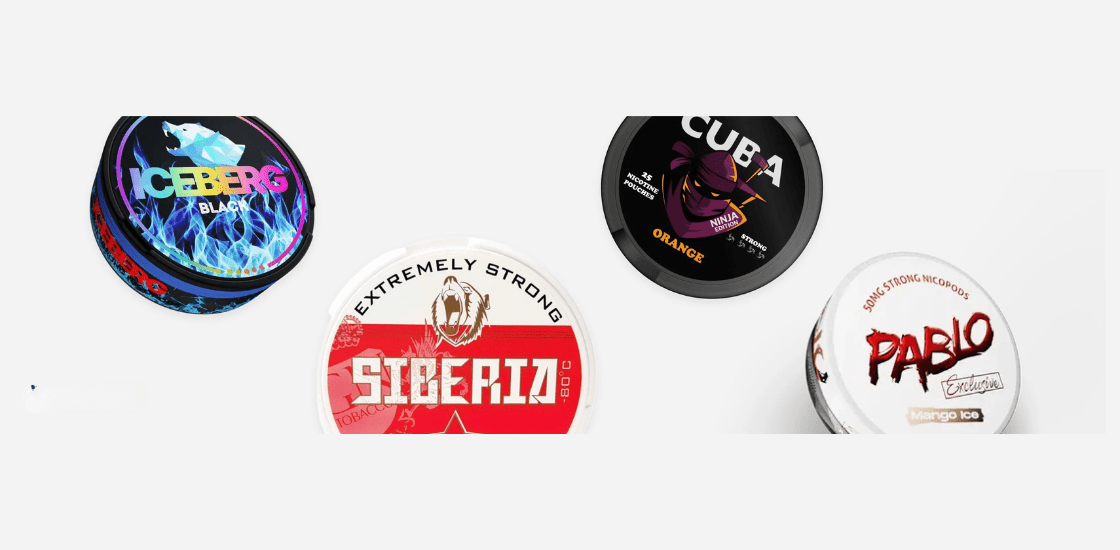
Jitteriness or restlessness occurs because nicotine is a central nervous system stimulant. Users may feel anxious, unable to sit still, or experience muscle tension, particularly with higher doses. The Iceberg and similar extreme-strength brands are more likely to produce this effect in nicotine-naïve users.
Sleep disturbances affect users who consume nicotine pouches late in the day. Nicotine can interfere with sleep architecture, reducing deep sleep stages and causing more frequent awakenings. Users at Pouchland often report better sleep quality when avoiding pouch use within 3-4 hours of bedtime.
Difficulty concentrating paradoxically occurs in some users despite nicotine's reputation as a cognitive enhancer. This typically happens when doses are too high or too low for an individual's tolerance, or during the adjustment period.
Less Common but Notable Side Effects
While less frequent, certain side effects deserve attention due to their potential impact or as indicators that usage should be reduced or discontinued:
Allergic or Sensitivity Reactions
A small percentage of users (2-5%) experience allergic reactions to ingredients in nicotine pouches. These reactions typically involve:
- Contact dermatitis: Redness, swelling, or rash at the contact site, often caused by sensitivity to flavoring compounds, preservatives, or pH adjusters in the pouch material
- Oral allergic reactions: Itching, swelling of lips or tongue, or hives inside the mouth
- Respiratory symptoms: Very rarely, users may experience throat tightness or difficulty breathing, which requires immediate medical attention
Users with known sensitivities should carefully review ingredient lists. The variety of brands available at Pouchland, including options like Helwit and Velo, means users can often find formulations that work better for their individual chemistry.
Gum Recession and Oral Health Concerns
Long-term placement of pouches in the same location can potentially contribute to gum recession. While research on this specific effect is still developing as of 2026, dental professionals have noted that chronic mechanical irritation and nicotine's vasoconstrictive effects could theoretically impact gum health over extended periods.
Users can minimize this risk by:
- Rotating placement locations
- Limiting individual pouch duration to 30-45 minutes
- Maintaining excellent oral hygiene
- Taking breaks between pouches
- Using appropriate strengths rather than excessive amounts
Nicotine Toxicity Symptoms
While rare when products are used as intended, nicotine toxicity can occur if users consume excessive amounts in a short period. Early symptoms include:
- Severe nausea and vomiting
- Excessive salivation or sweating
- Rapid or irregular heartbeat
- Confusion or difficulty thinking clearly
- Severe headache or dizziness
- Pale or grayish skin
These symptoms require immediate medical attention. The risk is highest with extreme strength pouches or when multiple pouches are used simultaneously or in rapid succession.
Individual Variation in Side Effect Experience
Not all users experience side effects identically. Several factors influence individual responses:
Prior Nicotine Exposure
Users with established nicotine tolerance typically experience fewer and milder side effects compared to nicotine-naïve individuals. Someone transitioning from smoking or vaping may find pouches produce minimal discomfort, while a first-time nicotine user may experience pronounced effects even from lower-strength options.
Pouch Strength and Format
The concentration of nicotine per pouch dramatically affects side effect likelihood and intensity. A 3 mg pouch produces vastly different effects than a 50 mg extreme-strength option. Additionally, dry format pouches may cause less salivation but potentially more gum irritation compared to moist formats.
Usage Pattern and Frequency
Using one pouch occasionally produces different effects than using 10-15 pouches daily. Chronic high-frequency use may lead to tolerance development, reducing some side effects but potentially worsening others like gum irritation from constant contact.
Body Weight and Metabolism
Individuals with lower body weight typically experience more pronounced effects from equivalent doses compared to larger individuals. Metabolic rate also influences how quickly nicotine is processed and eliminated, affecting duration and intensity of both desired effects and side effects.
Timing of Use
Using pouches on an empty stomach increases the likelihood of nausea and digestive discomfort. Hydration status also matters—dehydration can intensify side effects like dizziness and headaches.
Minimizing Side Effects: Practical Strategies
Users can take several evidence-based approaches to reduce side effect occurrence and severity:
Start with Appropriate Strengths
New users should begin with the lowest available strengths (3-6 mg) regardless of their intended use pattern. At Pouchland, customer service frequently recommends starting with standard-strength products and gradually increasing only if needed, rather than beginning with extreme options.
Proper Placement and Duration
Placing pouches correctly under the upper lip (not against lower gums or cheeks) optimizes absorption while minimizing irritation. Limiting individual pouch duration to 30-45 minutes prevents excessive tissue exposure. Rotating placement sites between uses gives tissues recovery time.
Manage Saliva Appropriately
While some saliva swallowing is inevitable, users can minimize digestive side effects by spitting excess saliva, particularly during the first 10-15 minutes when nicotine release is highest. This reduces the amount of nicotine entering the stomach.
Stay Hydrated
Adequate hydration helps the body process nicotine more efficiently and reduces side effects like headaches, dizziness, and dry mouth. Users should drink water regularly throughout the day, not just when experiencing symptoms.
Monitor Total Daily Intake
Tracking the number and strength of pouches used daily helps identify patterns that trigger side effects. Many users find that spacing pouches at least 45-60 minutes apart reduces cumulative effects.
Consider Format Variations
If one format causes problems, trying alternatives often helps. Users sensitive to moisture might prefer dry pouches, while those experiencing excessive gum irritation might find slim or mini formats more comfortable due to reduced contact area.
When to Reduce Use or Seek Medical Advice
Certain situations warrant reducing consumption or consulting healthcare professionals:
Persistent or worsening oral irritation that doesn't improve with reduced use or rotation of placement sites may indicate an underlying issue requiring dental evaluation.
Cardiovascular symptoms like chest pain, severe palpitations, or irregular heartbeat should prompt immediate medical consultation, particularly in individuals with pre-existing heart conditions.
Severe digestive symptoms including persistent vomiting, bloody stools, or severe abdominal pain require medical assessment to rule out complications.
Signs of nicotine toxicity including confusion, seizures, respiratory difficulty, or loss of consciousness constitute medical emergencies requiring immediate emergency services contact.
Development of dependence symptoms such as inability to reduce use despite wanting to, withdrawal symptoms when not using, or use interfering with daily activities may indicate that professional support for nicotine dependence would be beneficial.
The Role of Product Quality and Manufacturing Standards
Side effect occurrence and severity can relate to product quality and manufacturing standards. Reputable retailers like Pouchland source products from established manufacturers who follow quality control protocols and use food-grade ingredients. Products from unknown sources or counterfeit pouches may contain contaminants, incorrect nicotine levels, or irritating additives that increase side effect risk.
European regulatory frameworks as of 2026 require certain manufacturing standards and ingredient disclosures, providing consumers with additional safety assurances when purchasing from compliant retailers.
Special Considerations for Specific Populations
Certain groups face elevated risks or should exercise particular caution:
Pregnant or breastfeeding individuals: Nicotine crosses the placental barrier and is present in breast milk. This product contains nicotine. Nicotine is an addictive substance. Healthcare providers universally recommend avoiding all nicotine products during pregnancy and lactation.
Individuals with cardiovascular conditions: The cardiovascular effects of nicotine may exacerbate existing heart disease, hypertension, or circulatory disorders. Medical consultation before use is essential.
People with gastrointestinal conditions: Those with GERD, ulcers, or inflammatory bowel conditions may experience worsened symptoms due to nicotine's effects on the digestive system.
Individuals taking certain medications: Nicotine can interact with various medications, including those for blood pressure, depression, and diabetes. Pharmacist or physician consultation helps identify potential interactions.
Young adults and adolescents: The developing brain is particularly vulnerable to nicotine's effects. Nicotine pouches are intended for adult use only and should never be used by minors.
Long-Term Considerations
While short-term side effects are relatively well-characterized, long-term effects of nicotine pouch use continue to be studied. As of 2026, research has established several points:
Chronic nicotine exposure maintains cardiovascular effects over time, meaning long-term users continue experiencing elevated heart rate and blood pressure during use. The clinical significance of these temporary elevations in otherwise healthy individuals remains under investigation.
Oral health effects from long-term use require ongoing monitoring. While nicotine pouches eliminate smoke and combustion-related damage, chronic mechanical irritation and nicotine's vasoconstrictive effects on gum tissue warrant regular dental examinations.
Nicotine dependence develops with regular use. This product contains nicotine. Nicotine is an addictive substance. Users should be aware that regular consumption typically leads to physical dependence, with withdrawal symptoms occurring upon cessation.
Comparing Side Effects Across Nicotine Delivery Methods
Understanding how nicotine pouch side effects compare to other delivery methods provides context, though it's important to note that all nicotine products carry risks:
Traditional snus contains tobacco and delivers nicotine similarly through oral absorption, producing comparable oral and systemic side effects. However, snus also contains tobacco-specific nitrosamines and other tobacco constituents absent in tobacco-free nicotine pouches.
Smoking delivers nicotine extremely rapidly through lung absorption, producing quick onset of effects but also exposing users to thousands of combustion-related chemicals. The side effect profile is distinctly different due to respiratory system involvement.
Vaping delivers nicotine through inhalation of aerosolized liquid, producing rapid effects similar to smoking but with different respiratory exposure. Cardiovascular and neurological effects of nicotine are comparable across methods, but delivery-specific side effects vary significantly.
Nicotine gum and lozenges deliver nicotine orally but through different mechanisms and generally more slowly than pouches. Digestive side effects are common to all oral methods where nicotine-laden saliva is swallowed.
Product Selection Considerations at Pouchland
When selecting nicotine pouches at Pouchland, several factors help minimize side effects while matching user preferences:
Strength selection: The extensive range from light to extreme allows users to precisely match their tolerance level. First-time users should explore the lower end of the spectrum, while experienced users can choose from stronger options only after establishing tolerance.
Format preferences: Slim, mini, and standard formats offer different contact areas and comfort profiles. Dry pouches produce less salivation, potentially reducing digestive side effects but may cause more gum sensation initially.
Flavor considerations: Some users find certain flavors more comfortable than others. Mint varieties often produce cooling sensations that some find pleasant while others may experience as intensifying gum sensation. Fruit flavors provide alternatives that may be gentler for sensitive users.
Brand quality: Established brands like Velo, ZYN, and Pablo available at Pouchland maintain consistent quality standards that help ensure predictable experiences and minimize variability-related side effects.
Frequently Asked Questions About Nicotine Pouches Side Effects
Do nicotine pouches cause gum damage or recession?
Chronic use of nicotine pouches, particularly when placed repeatedly in the same location, may potentially contribute to gum irritation and, in some cases, localized gum recession. Nicotine causes vasoconstriction which reduces blood flow to gum tissue, and mechanical irritation from prolonged contact can affect tissue health. Users can minimize this risk by rotating placement locations, limiting pouch duration to 30-45 minutes, maintaining excellent oral hygiene, and having regular dental check-ups. If you notice persistent white patches, sores, or gum changes, consult a dentist. Current research as of 2026 continues to evaluate long-term oral health impacts.
Why do nicotine pouches make me feel nauseous and how can I prevent it?
Nausea from nicotine pouches occurs because nicotine stimulates the chemoreceptor trigger zone in the brain and can irritate the stomach when swallowed in saliva. This side effect is particularly common among new users, those using strengths higher than their tolerance, or when using pouches on an empty stomach. To prevent nausea: start with lower strengths (3-6 mg), avoid swallowing excess saliva especially during the first 10-15 minutes, use pouches after eating rather than on an empty stomach, stay well-hydrated, and consider spacing pouches further apart. If nausea persists despite these measures, reduce strength or frequency.
Can nicotine pouches cause heart problems or raise blood pressure?
Nicotine is a cardiovascular stimulant that temporarily increases heart rate and blood pressure. Users typically experience heart rate increases of 10-20 beats per minute and blood pressure elevations of 5-10 mmHg that last for several hours after use. For individuals with healthy cardiovascular systems, these temporary changes are generally well-tolerated. However, people with pre-existing heart conditions, hypertension, or circulatory disorders should consult healthcare providers before using nicotine pouches, as the cardiovascular effects could exacerbate existing conditions. Anyone experiencing chest pain, severe palpitations, or irregular heartbeat should discontinue use and seek medical evaluation immediately.
Are side effects worse with stronger nicotine pouches?
Yes, side effects are generally more pronounced and more likely to occur with higher-strength nicotine pouches. Products in the extra strong (20-30 mg) and extreme (40-50+ mg) categories produce significantly stronger physiological responses including more intense gum sensation, greater likelihood of nausea, more pronounced cardiovascular effects, and increased risk of dizziness or jitteriness. Users without established tolerance should never begin with extreme-strength products. Even experienced users should approach higher strengths cautiously, as the dose-response relationship is not linear—doubling nicotine content more than doubles the intensity of effects and side effects.
How long do nicotine pouch side effects typically last?
The duration of side effects varies by type and individual factors. Immediate effects like gum sensation, increased heart rate, and initial dizziness typically peak within 15-30 minutes of placement and begin subsiding as nicotine levels decline, usually resolving within 2-4 hours after pouch removal. Digestive effects like nausea may persist for 1-3 hours depending on how much nicotine was swallowed. Adjustment-period side effects common in new users (such as frequent hiccups, headaches, or sleep disturbances) typically diminish significantly within 5-10 days of consistent use as the body adapts. Localized oral irritation may take 24-48 hours to fully resolve after discontinuing use. If side effects persist beyond expected timeframes, reassess usage strength and frequency.
Can you develop an allergic reaction to nicotine pouches?
While true nicotine allergy is extremely rare, users can develop allergic or sensitivity reactions to other ingredients in nicotine pouches including flavorings, pH adjusters, sweeteners, or materials used in pouch construction. Symptoms may include contact dermatitis at the placement site, redness, swelling, persistent itching, hives in the mouth, or in rare cases, respiratory symptoms. If you suspect an allergic reaction, discontinue use immediately. Users with known sensitivities should carefully review ingredient lists before trying new products. The variety of brands and formulations available at Pouchland means users can often identify alternatives that work better for their individual chemistry. Severe reactions like difficulty breathing or swelling of lips/tongue require immediate medical attention.
What should I do if I accidentally swallow a nicotine pouch?
If you accidentally swallow a nicotine pouch, do not panic—this is generally not a medical emergency for adults, though it's unpleasant. The pouch materials are typically food-grade and will pass through your digestive system, though they're not intended to be ingested. You may experience increased nausea, stomach discomfort, or diarrhea as your body processes the concentrated nicotine release in your digestive tract. Drink plenty of water to help dilute stomach contents and aid passage. Monitor yourself for signs of nicotine toxicity (severe nausea and vomiting, confusion, rapid or irregular heartbeat, difficulty breathing). If severe symptoms develop or if a child swallows a pouch, contact poison control or seek emergency medical care immediately. To prevent accidental swallowing, ensure pouches are properly positioned under the upper lip.
Conclusion: Making Informed Decisions
Understanding the side effects of nicotine pouches enables users to make informed decisions and use products responsibly. While many users experience minimal or manageable side effects, individual responses vary based on tolerance, product strength, usage patterns, and personal physiology.
This product contains nicotine. Nicotine is an addictive substance.
At Pouchland, we believe education empowers consumers to select products appropriate for their experience level and to use them in ways that minimize unwanted effects. Starting with appropriate strengths, following usage guidelines, and monitoring your body's responses helps ensure a more comfortable experience.
The side effects discussed in this guide represent potential reactions—not every user experiences all or even most of them. However, awareness allows you to recognize normal adjustment responses versus symptoms requiring attention or modification of usage patterns.
If you're considering trying nicotine pouches or experiencing side effects with current products, browse the extensive selection at Pouchland to find options suited to your needs, or contact customer service for personalized guidance on strength and format selection.
Remember that nicotine pouches are intended for adult use only and should never be used by pregnant or breastfeeding individuals, minors, or those with cardiovascular conditions without medical consultation. When used responsibly with awareness of potential effects, nicotine pouches can be integrated into adult lifestyles with minimal disruption.

Share: